Introduction: The Ever-Growing World of Gaming
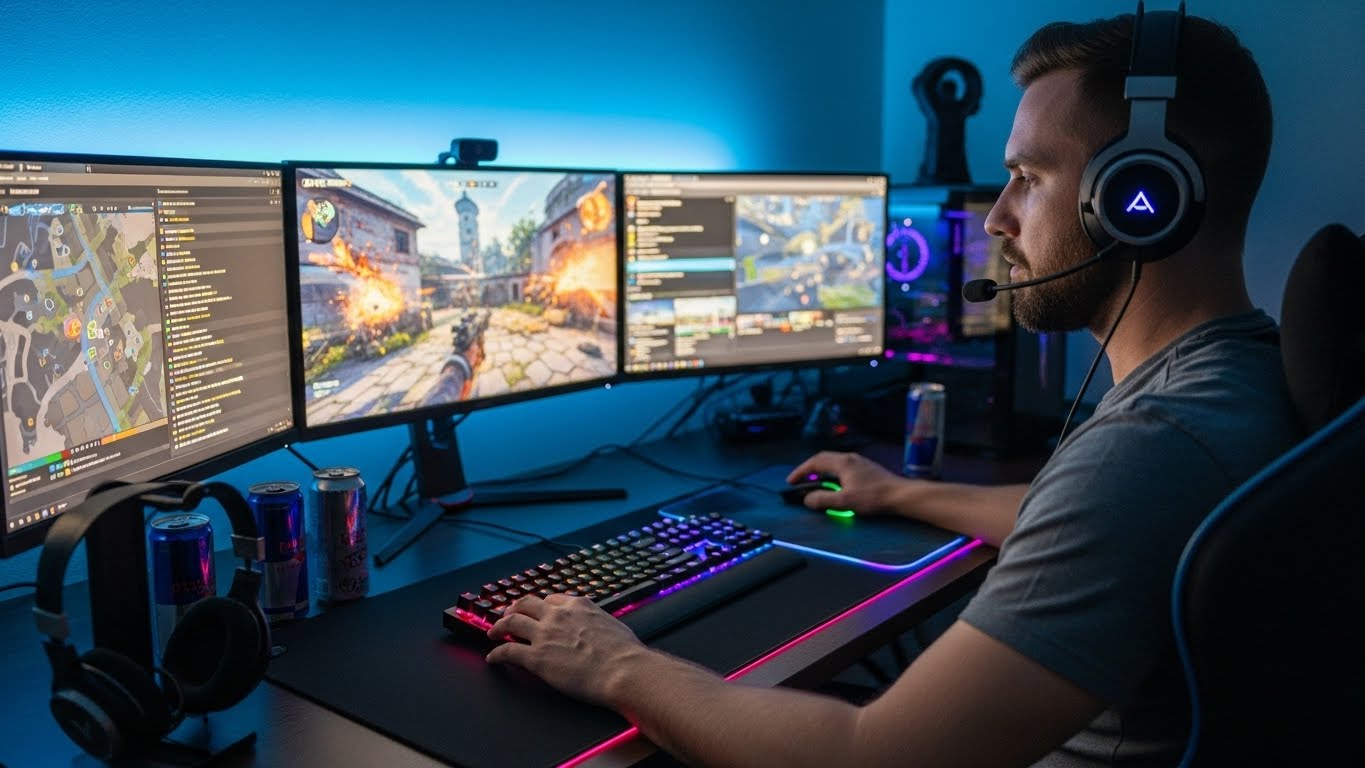
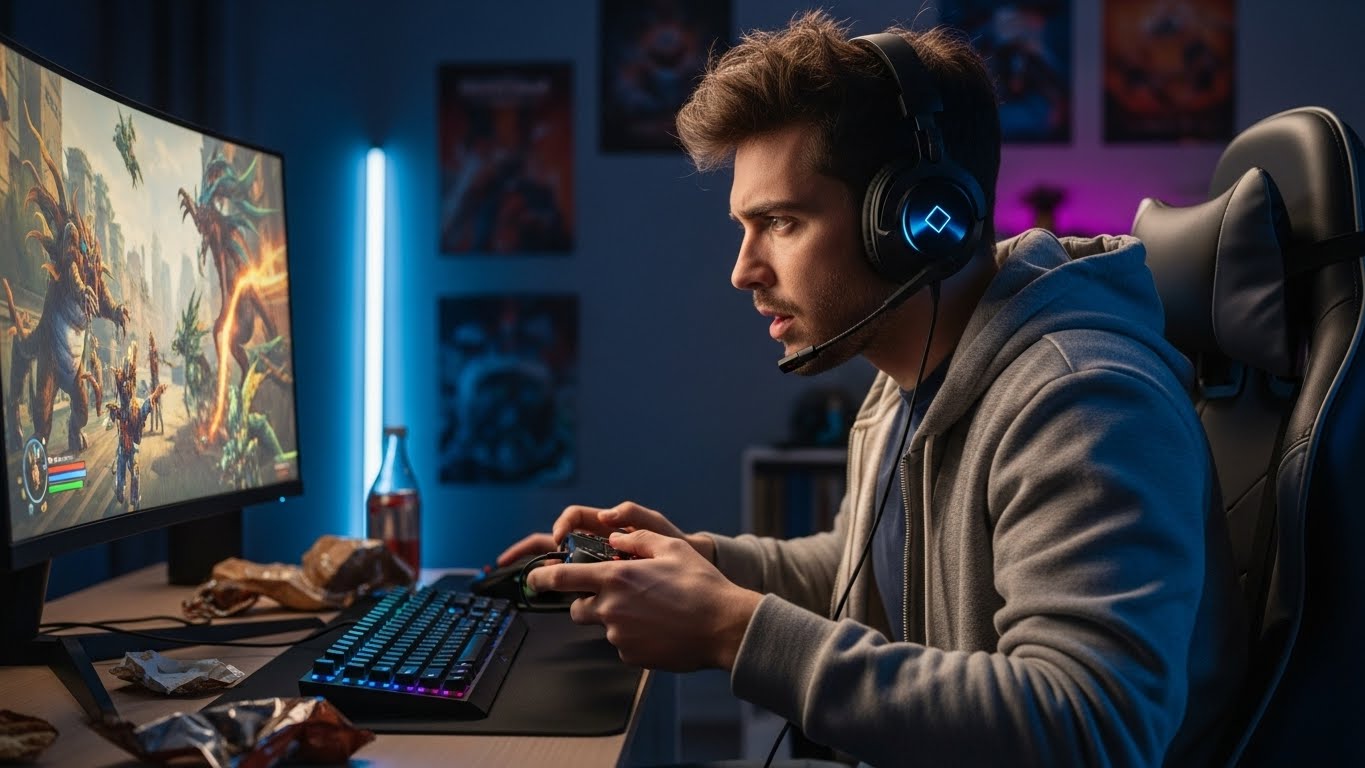
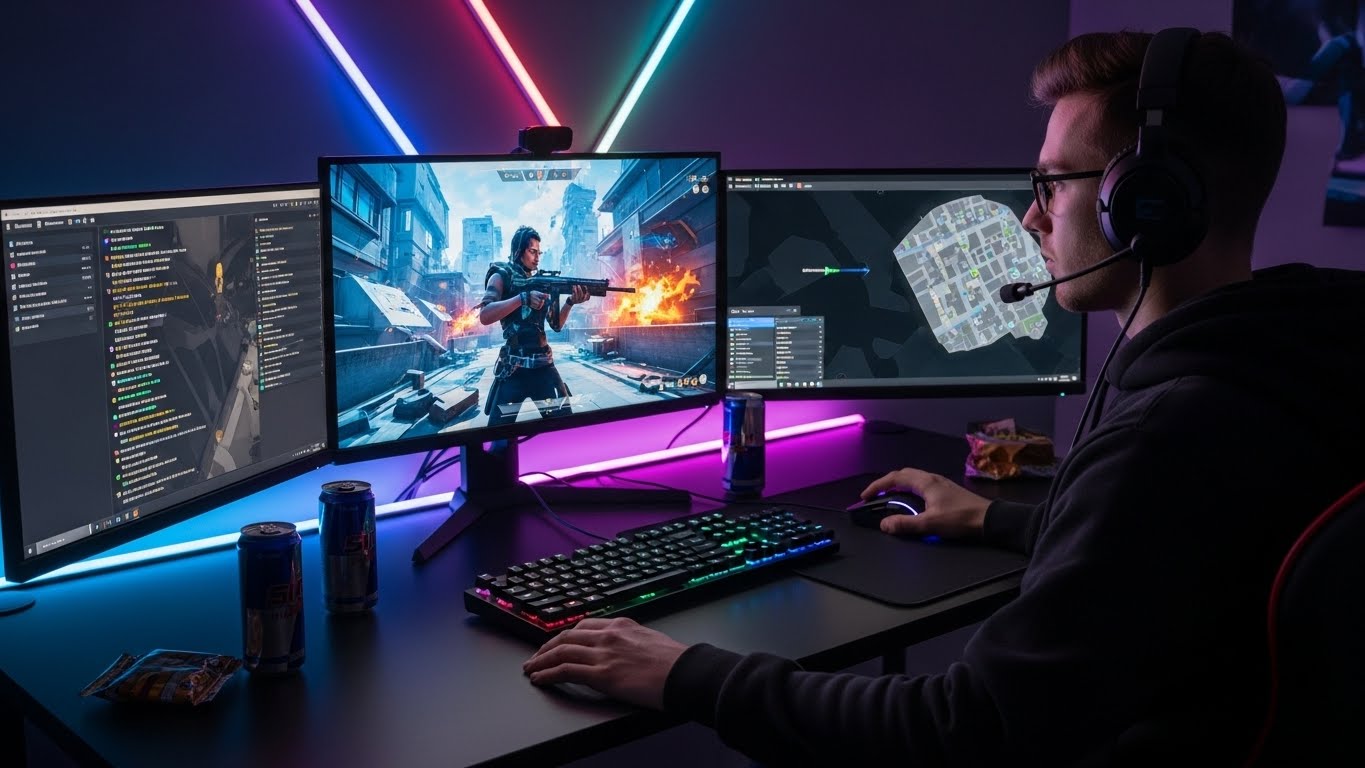
Gaming has evolved into a cultural and technological force that shapes entertainment, social interactions, education, and even mental health. What was once considered a simple hobby has now transformed into a global industry that attracts millions of players worldwide. Whether you’re a casual gamer or a professional esports competitor, the impact of gaming on modern life is undeniable. In this blog, we will explore the evolution of gaming, its effects on various aspects of society, and what the future holds for this dynamic medium.
The Early Days of Gaming: Simple Beginnings
To fully appreciate the scope of gaming today, it’s important to reflect on its humble beginnings. The first video games were rudimentary, consisting of simple graphics, limited interaction, and even more limited storylines. In the 1970s and early 1980s, arcade games like “Pong” and “Space Invaders” introduced the concept of video gaming to the masses. These early games were groundbreaking, but they were only the start of something much larger.
The gaming industry continued to grow with the advent of home consoles, such as the Atari 2600, followed by the Nintendo Entertainment System (NES) in the 1980s. These platforms allowed people to play games in the comfort of their homes. Although the graphics and gameplay were still basic by today’s standards, the potential for video games to become a serious form of entertainment was clear. With titles like “Super Mario Bros.” and “The Legend of Zelda,” the groundwork was laid for the future of gaming.
Technological Advancements: The Rise of Realism
As technology advanced through the 1990s and early 2000s, so did the capabilities of gaming systems. The release of the Sony PlayStation in 1994 and later the PlayStation 2 and Xbox, marked a new era of console gaming. The leap in graphical capabilities meant that games could now feature 3D environments, more detailed characters, and expansive worlds. Franchises like “Gran Turismo,” “Final Fantasy,” and “Halo” pushed the boundaries of what was possible on home consoles, offering immersive experiences that captivated millions.
The gaming industry wasn’t just about better graphics; it was also about creating richer, more interactive worlds. Game developers began focusing on deeper storytelling, branching narratives, and character development. Games like “The Elder Scrolls: Skyrim” and “Metal Gear Solid” became known for their intricate plots and moral dilemmas, drawing players in not only with gameplay but with storytelling that rivaled film and literature.
The Social Shift: Gaming as a Community
What truly set the 2000s apart was the rise of online gaming. No longer limited to playing in isolation or with a friend sitting next to you, online gaming allowed players to connect with others from around the globe. Games like “World of Warcraft,” “Call of Duty,” and “League of Legends” revolutionized how people interacted with games. Players were no longer just interacting with AI-controlled enemies or engaging in local multiplayer; they were part of vast online communities, competing or collaborating with others from all over the world.
This shift in how games were played led to the rise of esports, a professional competitive gaming industry that attracts millions of viewers and offers significant prize money. Platforms like Twitch allowed players to stream their gameplay live, fostering an entirely new form of entertainment. It also created new career opportunities, with gamers, streamers, and content creators able to monetize their passion for gaming. This social aspect of gaming has redefined how people think about video games—no longer just a solo activity, but a shared experience.
The Impact of Gaming on Mental Health
As gaming continues to grow, its impact on mental health has become an increasingly important topic of discussion. On the positive side, gaming has been shown to improve cognitive abilities such as problem-solving, multitasking, and strategic thinking. Many puzzle games, such as “Portal” and “Tetris,” promote critical thinking and spatial awareness, while role-playing games (RPGs) encourage emotional investment in characters and stories. Multiplayer games also foster social connections, helping players build communities and friendships.
However, the potential for gaming to have a negative impact on mental health is also a concern. Excessive gaming can lead to addiction, social isolation, and physical health problems such as eye strain, poor posture, and lack of exercise. The rise of microtransactions and in-game purchases in many popular games has also led to concerns about spending addiction. The addictive nature of some games, combined with the constant rewards and the drive for competition, can make it difficult for some players to step away, leading to unhealthy habits.
Gaming in Education: The New Frontier
Beyond entertainment, gaming has found a place in the world of education. Educational games have been used for years to teach subjects like mathematics, language, and geography in a more engaging and interactive way. However, as technology has advanced, so too has the potential of games to revolutionize education.
Games like “Minecraft: Education Edition” and “SimCityEDU” have shown how video games can be used to teach complex subjects such as history, environmental science, and economics. These games allow students to experience the consequences of their decisions in a virtual environment, providing valuable learning opportunities that are not possible in traditional classrooms.
Even more impressive is how virtual simulations and interactive storytelling are being used in fields like medicine, engineering, and military training. Virtual simulations allow students and professionals to practice real-world scenarios without the risk of real-world consequences. This makes training more cost-effective and accessible, and allows for more practical, hands-on experience in fields that require precision and skill.
The Role of Indie Games: Creativity in the Spotlight
While large studios continue to dominate the gaming industry with blockbuster titles, indie games have emerged as a powerful force in recent years. Indie developers often focus on innovative gameplay mechanics, unique artistic styles, and emotional storytelling, which have garnered widespread acclaim from both critics and players. Games like “Journey,” “Hollow Knight,” and “Celeste” have not only gained commercial success but also sparked meaningful conversations about mental health, art, and storytelling in games.
Indie games are often more experimental and risk-taking than their mainstream counterparts. With smaller budgets and fewer resources, indie developers are free to create niche, avant-garde experiences that larger studios might shy away from. This has allowed the gaming industry to diversify in ways that were not possible before, with a much broader range of experiences available to players.
The Future of Gaming: Virtual Reality, AI, and Cloud Gaming
The future of gaming looks incredibly exciting, with several emerging technologies set to reshape the industry. One of the most anticipated advancements is the rise of virtual reality (VR). With VR headsets like the Oculus Rift and PlayStation VR already on the market, developers are working hard to create immersive experiences that make players feel like they are truly living within the game world. VR offers the potential for a more profound sense of presence, and it could revolutionize everything from action games to simulations.
Another exciting development is the rise of artificial intelligence (AI) in gaming. While AI has been a part of games for years, its role is becoming more sophisticated. In the future, AI could make games even more dynamic and responsive to player actions, creating worlds that evolve based on individual choices. Characters in games could learn from player behavior, making every interaction feel more unique and personalized.
Cloud gaming is also set to revolutionize the industry. Platforms like Google Stadia and Xbox Cloud Gaming promise to make high-quality gaming accessible to anyone with an internet connection, eliminating the need for expensive consoles or PCs. This could democratize gaming, allowing players with lower-end devices to enjoy the latest titles. Cloud gaming may also lead to faster updates, more seamless multiplayer experiences, and the ability to play games on virtually any device, from smartphones to smart TVs.
Conclusion: The Ever-Expanding World of Gaming
Gaming has evolved far beyond its roots as a form of entertainment. Today, it is a global industry, an educational tool, a social platform, and a major cultural force. It has reshaped how we connect with each other, how we learn, and how we engage with technology. While challenges such as gaming addiction and the pressure to monetize every aspect of gaming remain, the future of gaming is undeniably bright.
As we look ahead, technologies like virtual reality, artificial intelligence, and cloud gaming will continue to push the boundaries of what games can be. The industry will become even more inclusive, accessible, and interactive, offering players new ways to experience and shape the virtual worlds they inhabit. The potential of gaming is limitless, and the next chapter of its evolution promises to be one of the most exciting yet.
For those who have followed gaming from its earliest days, it’s remarkable to see how far the industry has come. And for those just beginning their journey into the world of gaming, it’s clear that there has never been a better time to be a part of this ever-evolving, ever-expanding universe.