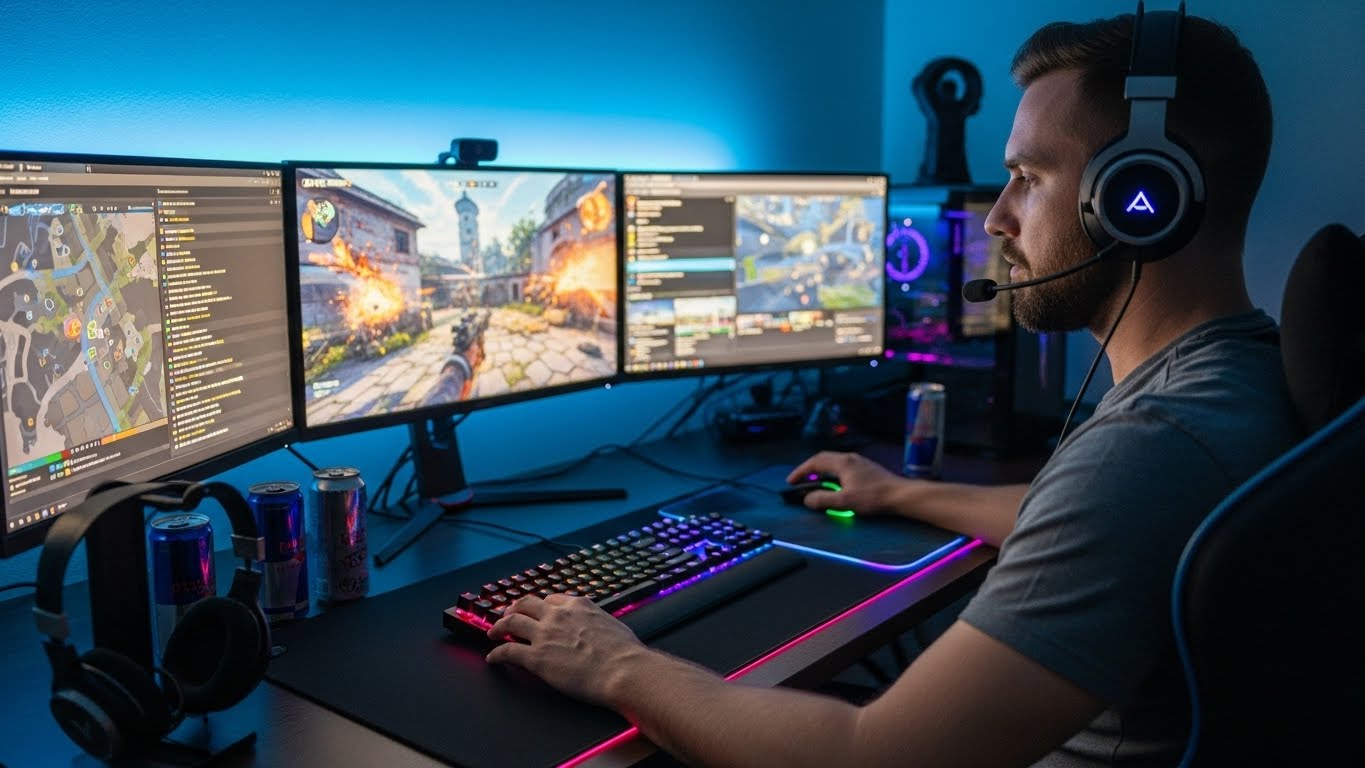

Introduction: The Evolution of Gaming
Gaming has evolved from simple pixelated screens to immersive worlds that rival reality. What started as a niche hobby has transformed into a global phenomenon, influencing culture, technology, and social interaction. Today, gaming is more than entertainment—it is a medium that bridges communities, inspires creativity, and even shapes education and professional careers. This blog explores the evolution of gaming, current trends, and the impact of this dynamic industry on society.
The Birth of Modern Gaming
The history of gaming began with simple arcade machines and home consoles in the 1970s and 1980s. Titles like Space Invaders, Pac-Man, and Super Mario Bros captured the imagination of millions. These games were simple yet addictive, establishing the core principles of gameplay, storytelling, and player engagement.
As technology advanced, gaming consoles evolved from 8-bit systems to high-definition consoles with sophisticated graphics and processing power. PCs also became a major platform, offering complex games that demanded strategy, skill, and teamwork. This evolution laid the foundation for today’s gaming landscape, where realism, interactivity, and social features dominate the experience.
The Rise of Online Gaming and Esports
One of the most transformative developments in gaming is online connectivity. Multiplayer online games allow players from different parts of the world to collaborate, compete, and socialize in real time. Titles like Fortnite, League of Legends, and Call of Duty have created massive communities, making gaming a social as well as entertainment experience.
Esports, the professional competitive gaming scene, has also grown exponentially. Players can earn significant incomes, compete in tournaments with massive prize pools, and gain global recognition. Streaming platforms allow fans to watch live gameplay, fostering fan communities and elevating gaming to a spectator sport. The rise of esports demonstrates that gaming is no longer a casual pastime; it is a professional and cultural phenomenon.
Gaming as a Storytelling Medium
Modern gaming is not just about mechanics and challenges; it is a storytelling medium. Games like The Last of Us, Red Dead Redemption, and Cyberpunk 2077 provide narratives that rival books and films. Players are not passive observers—they participate in the story, make choices, and experience consequences firsthand.
Interactive storytelling allows for emotional depth and moral complexity. Decisions made by players can lead to multiple endings, creating a personalized experience. This immersion strengthens the connection between the player and the game world, making gaming a powerful tool for artistic expression and narrative exploration.
Virtual Reality and Immersive Experiences
Virtual Reality (VR) and Augmented Reality (AR) have brought gaming to new levels of immersion. VR headsets transport players into fully realized 3D environments, making experiences feel tangible and interactive. AR overlays digital elements onto the real world, blending gaming with everyday life.
These technologies are expanding the boundaries of traditional gaming. VR games allow for physical movement and interaction, while AR games encourage exploration of real-world spaces. As VR and AR technology becomes more accessible and affordable, immersive gaming will become a mainstream experience, transforming how people play, learn, and engage with digital worlds.
The Impact of Mobile Gaming
Mobile gaming has made gaming more accessible than ever. Smartphones and tablets allow players to enjoy games anywhere, anytime. Free-to-play models with in-app purchases have created a massive, diverse audience, making mobile gaming a major revenue driver in the industry.
Casual games, puzzle games, and social gaming experiences thrive on mobile platforms. Popular titles encourage short, engaging play sessions while offering social interaction through online leaderboards and multiplayer modes. Mobile gaming has democratized access, turning millions of casual players into active participants in the gaming ecosystem.
Gaming and Cognitive Development
Beyond entertainment, gaming offers cognitive and psychological benefits. Strategic games, puzzles, and problem-solving challenges enhance critical thinking, memory, and multitasking abilities. Action and role-playing games can improve hand-eye coordination and reaction times. Multiplayer games also foster teamwork, communication, and leadership skills.
Educational games leverage these principles to create interactive learning environments. Students can explore complex subjects such as history, science, and mathematics through gameplay, making learning engaging and memorable. Gaming is no longer seen as purely recreational; it is a tool for mental stimulation and skill development.
The Social Dimension of Gaming
Gaming has become a hub for social interaction. Online multiplayer games, voice chat, and social platforms allow players to connect, form friendships, and collaborate in virtual environments. Communities form around shared interests, creating a sense of belonging and identity.
Games also provide a safe space for self-expression. Players can create avatars, customize environments, and explore identities in ways that may not be possible in the physical world. For many, gaming communities are an essential part of their social lives, offering connection, support, and shared experiences.
The Economic Power of Gaming
The gaming industry is now one of the most profitable entertainment sectors globally. Revenue from game sales, in-app purchases, subscriptions, and esports tournaments reaches billions of dollars annually. Companies invest heavily in game development, marketing, and streaming infrastructure, fueling technological innovation and job creation.
The economic impact of gaming extends beyond studios. Hardware manufacturers, content creators, influencers, and tournament organizers all contribute to the industry’s growth. Gaming is not just entertainment; it is a major economic driver shaping the global economy.
The Future of Gaming: Cloud Gaming and AI
Cloud gaming is revolutionizing accessibility and convenience. By streaming games directly to devices, players can access high-quality experiences without expensive hardware. This model allows instant gameplay, reduced download times, and seamless updates. Cloud gaming could redefine how players interact with games, making high-end experiences more inclusive.
Artificial Intelligence is also shaping the future of gaming. AI-driven characters, procedural content generation, and dynamic storytelling create unpredictable and engaging experiences. Games can adapt to player behavior, providing personalized challenges and immersive narratives. The combination of AI and cloud technology promises a future where gaming is more interactive, intelligent, and accessible than ever.
Challenges in Gaming: Addiction and Inclusivity
Despite its many benefits, gaming faces challenges. Excessive gaming can lead to addiction, affecting mental health, social relationships, and productivity. Developers, parents, and communities must balance engagement with responsible play. Awareness, parental guidance, and game design that promotes healthy habits are essential.
Inclusivity is another ongoing concern. Representation of gender, ethnicity, and diversity in games remains limited in some areas. Efforts are being made to create inclusive narratives, diverse character options, and equitable opportunities in the industry. As gaming grows, fostering inclusivity will be crucial to ensuring it remains a positive and welcoming space for everyone.
Gaming as a Cultural Force
Gaming has become a cultural force influencing music, fashion, film, and art. Iconic characters and game worlds inspire fan art, cosplay, and creative content. Gaming conventions and festivals celebrate this culture, bringing communities together to share their passion.
Games are also influencing storytelling across media. Film adaptations, animated series, and transmedia narratives expand game universes beyond the screen. Gaming is no longer confined to a hobby; it is a cultural phenomenon shaping how we experience and express creativity.
Conclusion: Gaming as a Window to the Future
The gaming industry has evolved far beyond its humble beginnings. From arcades to online multiplayer worlds, VR experiences, and mobile platforms, gaming has become a multifaceted medium that entertains, educates, and connects people globally. It impacts culture, economy, and technology, making it a cornerstone of modern society.
The future of gaming is filled with possibilities. Cloud technology, AI, immersive experiences, and inclusive storytelling promise to redefine how we play and interact. As gaming continues to grow, it will remain a space of creativity, social connection, and cultural influence, shaping the way we experience the digital world.
Gaming is no longer just a pastime—it is a window to the future, a reflection of human creativity, and a testament to the power of technology to unite, challenge, and inspire.