Introduction: The Power and Appeal of Gaming
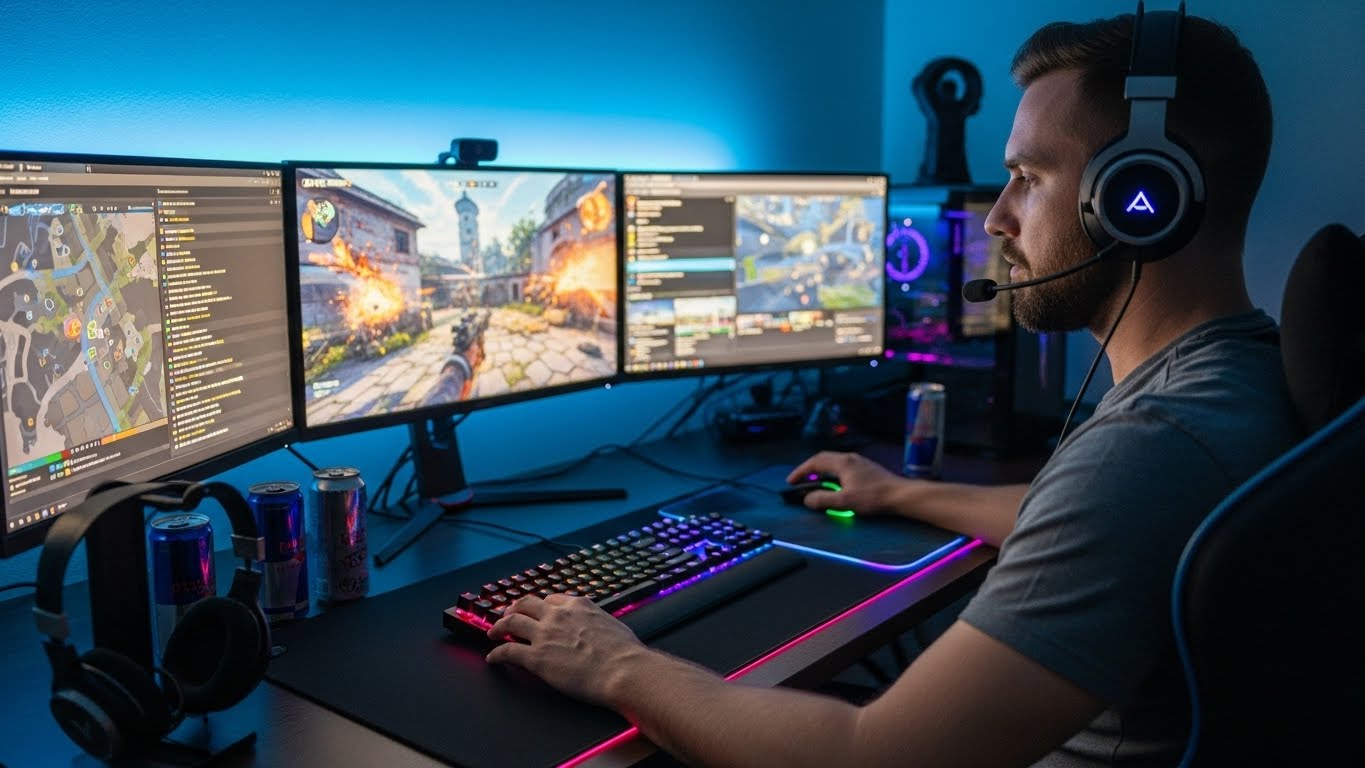
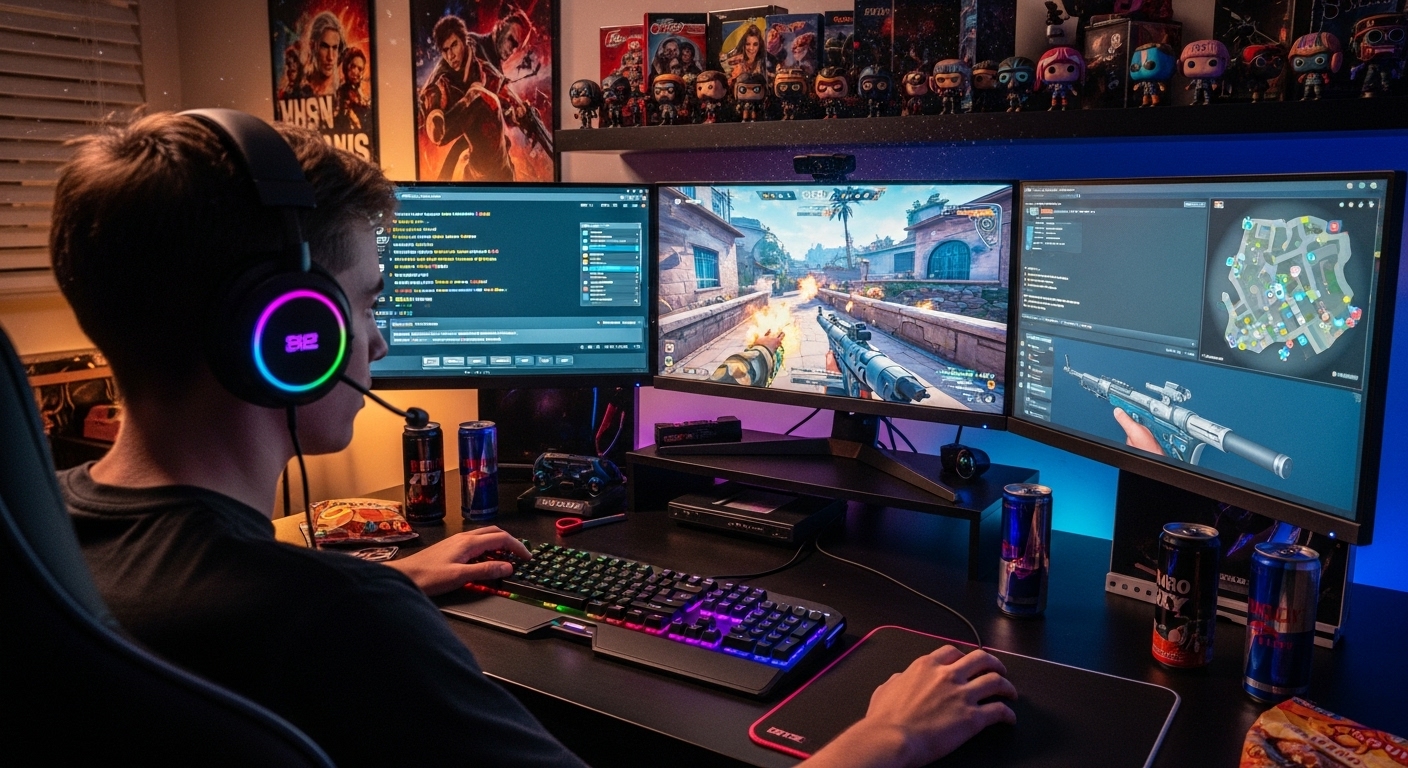
Gaming has become an undeniable force in the world of entertainment, with millions of people worldwide engaging in it as a form of leisure, competition, and even as a career. What was once a niche hobby has grown into a global cultural phenomenon that transcends age, gender, and geography. Whether it’s the casual player enjoying a quick mobile game or the professional esports athlete battling in global tournaments, gaming offers something for everyone. But how did gaming evolve from simple pixelated visuals to the immersive, complex experiences we see today? In this post, we explore the journey of gaming, its impact on culture, its benefits, and the future possibilities that await.
The Humble Beginnings: Early Games and Pioneers
Gaming, as we know it, didn’t start with elaborate graphics or complicated gameplay. Its roots trace back to simple, rudimentary games such as Tennis for Two and Spacewar! in the 1950s and 1960s, which were experimental projects created on mainframe computers. The launch of Pong by Atari in 1972 is widely considered the first commercially successful video game, marking the beginning of the gaming era. Pong, a digital version of table tennis, was a simple yet captivating game, featuring two paddles on the screen and a bouncing ball.
The 1970s and early 1980s also saw the rise of iconic arcade games such as Pac-Man, Donkey Kong, and Space Invaders, which became cultural touchstones and sparked a global gaming craze. The arcade was a social space, a place where players gathered to compete for high scores and engage in friendly rivalry. These early games were straightforward but laid the foundation for more complex gaming experiences in the years to come.
The Console Revolution: Bringing Gaming Home
In the 1980s, gaming underwent a massive transformation with the advent of home consoles. Systems like the Nintendo Entertainment System (NES) and Sega Genesis brought video games directly into living rooms, eliminating the need for arcade machines. Games like Super Mario Bros., The Legend of Zelda, and Sonic the Hedgehog introduced players to expansive, immersive worlds with elaborate gameplay mechanics.
These home consoles made gaming more accessible, allowing players to enjoy games at their own convenience. Nintendo’s introduction of iconic characters like Mario and Link also marked the beginning of character-driven storytelling in games. These characters would go on to become household names, serving as the face of the gaming industry. By the mid-90s, the emergence of Sony’s PlayStation and Nintendo 64 marked the start of 3D gaming, offering players an even more dynamic and visually captivating experience.
The Rise of PC Gaming: Expanding the Possibilities
While consoles played a significant role in the growth of gaming, PC gaming has always been a driving force behind innovation and technological advancement in the industry. The capabilities of personal computers allowed for more detailed graphics, complex mechanics, and advanced user input systems, setting the stage for genres like first-person shooters, real-time strategy, and role-playing games (RPGs).
Games like Doom, Warcraft, and StarCraft not only revolutionized gameplay mechanics but also laid the groundwork for the competitive gaming scene that would emerge in the following decades. With the development of online multiplayer gaming in the late 90s and early 2000s, players could now connect with others from around the world, creating a truly global gaming community.
The Golden Age of Gaming: Entering the 2000s
The early 2000s marked what many consider the “golden age” of gaming, as advancements in both hardware and software created new opportunities for developers to push the boundaries of what games could achieve. The PlayStation 2, Xbox, and GameCube brought even more innovation, with better graphics, larger game worlds, and deeper storytelling. At the same time, PC games were also pushing the envelope with titles like The Sims, Halo, World of Warcraft, and Grand Theft Auto III.
In this era, gaming began to reach a wider audience. No longer just for “hardcore” gamers, titles like The Sims introduced a more casual, everyday gaming experience that appealed to a broader demographic. On the other end of the spectrum, games like Halo and World of Warcraft became massive multiplayer experiences, fostering entire communities of players who engaged in hours of cooperative and competitive play. This period also saw the birth of game genres like MMORPGs (Massively Multiplayer Online Role-Playing Games) and MOBA (Multiplayer Online Battle Arena) games, which would dominate the following decade.
The Mobile Gaming Boom: Gaming Everywhere
The most recent evolution of gaming has been driven by mobile platforms. With the release of smartphones like the iPhone in 2007, gaming became more portable than ever before. The App Store opened the door to a whole new world of games that could be downloaded and played on the go. Simple yet addictive games like Angry Birds, Candy Crush, and Pokémon GO transformed the mobile gaming landscape.
Mobile games are now accessible to a wider range of people than ever before. They are easy to pick up and play, with casual and accessible gameplay mechanics that appeal to people who may not consider themselves “gamers.” The advent of mobile gaming has also brought new revenue models to the industry, with in-app purchases and freemium models becoming the norm. Mobile gaming is now a multi-billion-dollar industry, with players engaging in everything from casual puzzle games to complex multiplayer titles.
The Social Aspect of Gaming: Online Communities and Esports
One of the most significant changes in the gaming industry over the last two decades has been the rise of online multiplayer games and esports. Gaming is no longer a solitary activity; it’s a social experience. Thanks to the internet, players can connect with friends and strangers alike in real-time, whether they’re teaming up to take down a boss in World of Warcraft or competing head-to-head in a match of League of Legends or Fortnite.
The rise of streaming platforms like Twitch has further revolutionized the way people experience gaming. Viewers can watch live streams of professional gamers, interact with them, and even support their favorite streamers by donating money or subscribing to their channels. This interaction between players and viewers has turned gaming into a social event that transcends physical boundaries.
In addition to casual online gaming, esports has become a global industry in its own right. Professional gamers now compete in tournaments with multi-million-dollar prize pools, with fans filling arenas to watch the action live. Esports has evolved into a legitimate form of entertainment, with titles like League of Legends, Dota 2, and Counter-Strike: Global Offensive drawing massive audiences, both online and offline.
The Psychological and Cognitive Benefits of Gaming
While gaming has often been criticized for its potential negative effects, there is growing evidence that it can have numerous psychological and cognitive benefits. Playing video games has been shown to improve hand-eye coordination, problem-solving skills, and multitasking abilities. Puzzle games, strategy games, and role-playing games encourage players to think critically and plan ahead, while action games can improve reaction time and spatial awareness.
Moreover, gaming has been found to promote social interaction and build relationships. Many players form friendships through online multiplayer games and connect with others who share similar interests. These social bonds can help combat feelings of isolation and foster a sense of community.
The Future of Gaming: What’s Next?
The future of gaming is exciting, with technological advancements pushing the boundaries of what’s possible. Virtual reality (VR) and augmented reality (AR) are expected to play a huge role in the next phase of gaming, offering players a more immersive and interactive experience. VR headsets like the Oculus Rift and PlayStation VR are already beginning to deliver truly groundbreaking experiences, allowing players to physically interact with virtual worlds.
Cloud gaming is another exciting trend that promises to make high-quality games more accessible than ever. With cloud-based platforms like Google Stadia and Microsoft xCloud, players can stream games directly to their devices, without the need for expensive hardware. This could make gaming more accessible to a wider audience, opening up new possibilities for gaming on smartphones, tablets, and even low-end computers.
Conclusion: Gaming as a Global Phenomenon
From its humble beginnings as an arcade novelty to its current status as a global entertainment giant, gaming has come a long way. The industry has seen tremendous growth, both in terms of technology and audience, with gaming now encompassing everything from casual mobile apps to professional esports. Gaming has become a powerful cultural force, connecting people across the globe and providing endless hours of entertainment. As technology continues to evolve, the future of gaming looks even more exciting, offering limitless possibilities for creativity, innovation, and connection.