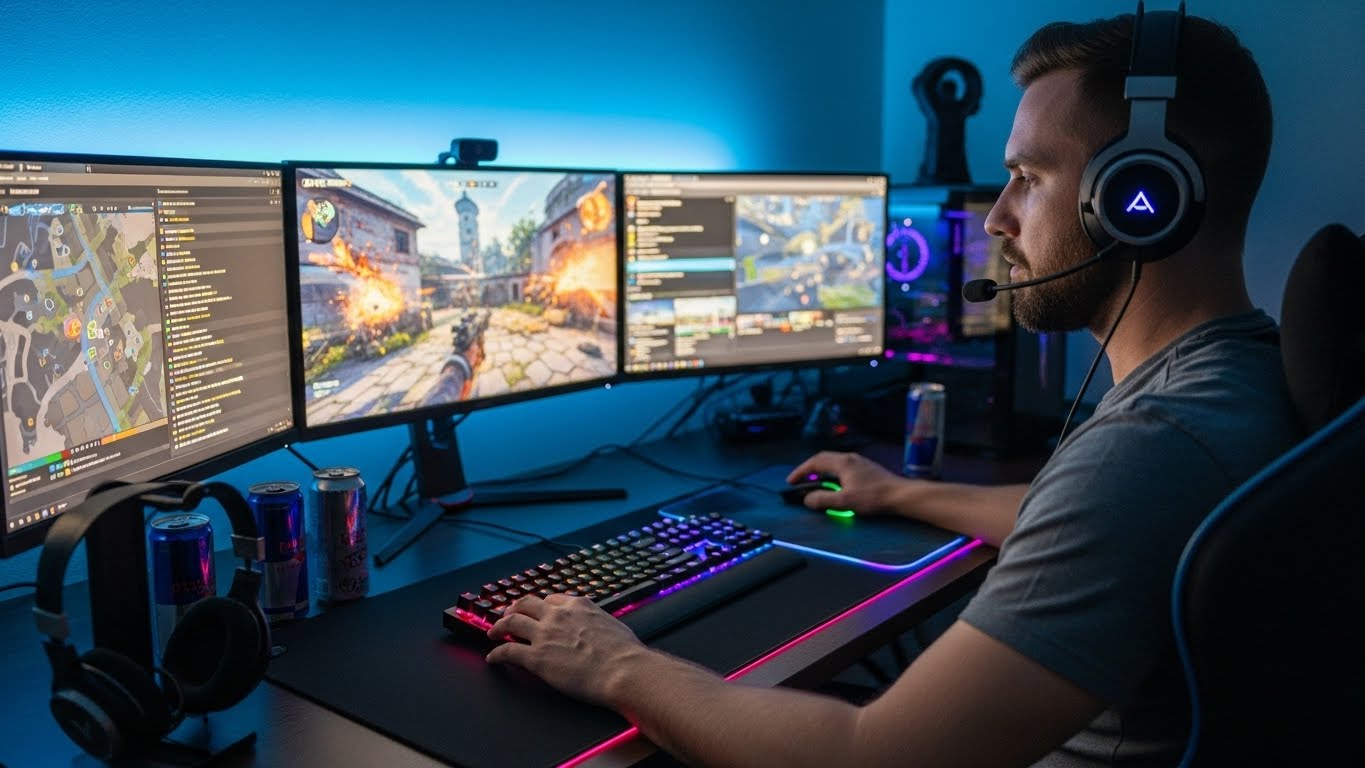

Gaming has come a long way from the simple pixelated screens of the 1970s and 1980s. What began as a niche hobby has transformed into a massive cultural, social, and economic force. Today, gaming is not just about entertainment; it is a platform for storytelling, creativity, social interaction, learning, and professional development. Millions of people worldwide engage with gaming every day, making it a significant part of modern life. This article explores the multifaceted impact of gaming, its evolution, its role in education, socialization, and culture, and its promising future.
The Evolution of Gaming
The history of gaming is a journey of technological advancement and human creativity. Early games, such as Pong and Space Invaders, were simple yet engaging. Limited graphics and straightforward gameplay required players to rely on their imagination to fill in the gaps. These early titles laid the foundation for an industry that would later grow into a worldwide phenomenon.
As technology progressed, gaming became more complex and immersive. The introduction of 16-bit consoles brought richer graphics, more complex mechanics, and better sound design. The 3D revolution in the 1990s transformed games from flat screens into immersive worlds with depth, perspective, and dynamic environments. Modern games now offer cinematic storytelling, lifelike physics, realistic character behavior, and vast open worlds, providing players with experiences that were unimaginable just a few decades ago.
Storytelling Through Games
One of the most significant developments in modern gaming is the rise of narrative-driven experiences. Games today can rival books and films in their ability to tell compelling stories. Role-playing games, adventure titles, and narrative simulations allow players to become active participants in stories, making choices that shape the outcome and affect the world around them.
This interactive storytelling fosters deep emotional engagement. Players develop attachments to characters, empathize with their struggles, and feel a sense of accomplishment when they overcome challenges. Games often explore complex themes such as identity, morality, loss, friendship, and resilience. The ability to experience these stories firsthand makes gaming a uniquely powerful medium for emotional and intellectual exploration.
Gaming as a Social Experience
Gaming is no longer a solitary activity. Online multiplayer games and social platforms have turned gaming into a highly social experience. Friends can team up to complete quests, compete in challenges, or simply hang out in virtual spaces. Players build communities, form friendships, and collaborate across geographical boundaries, making gaming a global connector.
Even games designed for single players have robust social communities. Gamers discuss strategies, share fan art, create content, and analyze storylines on forums and social media. Streaming platforms allow audiences to watch players in real-time, creating a spectator culture similar to traditional sports. The social dimension of gaming enhances enjoyment and fosters meaningful connections among players.
Competitive Gaming and Esports
Esports has turned gaming into a professional arena where skill, strategy, and teamwork are rewarded. Top players train rigorously, study game mechanics, and refine their reflexes to compete at the highest level. Professional tournaments attract millions of viewers worldwide, with prize pools rivaling those of traditional sports competitions.
Esports has also created new career paths beyond playing, including coaching, commentary, event management, and content creation. The rise of competitive gaming demonstrates that gaming requires discipline, intelligence, and collaboration, challenging outdated perceptions that it is purely recreational. It has also elevated gaming into a respected form of entertainment and competition with global appeal.
Educational Benefits of Gaming
Gaming is increasingly recognized for its educational potential. Many games develop critical thinking, problem-solving, decision-making, and strategic planning skills. Titles that involve resource management, complex problem-solving, or long-term strategy improve cognitive abilities and foster analytical thinking.
Educational games provide interactive learning experiences in subjects such as mathematics, science, history, and languages. Simulations allow students to practice real-world skills in safe environments, including engineering, medicine, and social studies. Gaming encourages experimentation, creativity, and persistence, making it a powerful tool for learning and skill development.
Creativity and Player-Generated Content
Modern games encourage players to become creators. Sandbox games, modding communities, and level design tools allow players to craft custom content, design unique worlds, and tell their own stories. These creative experiences extend beyond the game itself, inspiring innovation and imagination.
Many professional game developers began as enthusiastic players experimenting with mods and custom content. Gaming allows individuals to explore design, storytelling, programming, and artistic expression, turning play into a platform for creativity and even career development. It demonstrates how games can empower users to contribute to the medium and build skills that extend into real-world applications.
Emotional Impact of Gaming
Games have a profound emotional impact on players. Through interactive storytelling and immersive gameplay, players experience joy, excitement, fear, sadness, and nostalgia. Emotional engagement arises from the sense of agency players have—choices, victories, and failures carry personal significance.
This emotional depth makes games an important medium for reflection and empathy. Players often connect with characters, narratives, and worlds in ways that foster understanding of complex human experiences. Gaming provides a safe space to explore emotions and situations, promoting self-awareness and personal growth.
Gaming and Mental Wellbeing
Beyond entertainment, gaming can contribute to mental wellbeing. Games provide a form of relaxation and stress relief, allowing players to unwind from daily pressures. Cooperative games foster social connection, reducing feelings of loneliness and isolation. Story-driven games can offer comfort, inspiration, and emotional support.
In addition, achieving goals, solving challenges, and overcoming obstacles in games can boost self-confidence and a sense of accomplishment. While moderation is key, gaming can serve as a positive outlet for mental health, offering both social and emotional benefits.
The Business of Gaming
The gaming industry has grown into a massive global economy. Game development, publishing, streaming, hardware production, and esports contribute to a thriving ecosystem. Mobile gaming has expanded access, allowing millions of people to play anytime, anywhere. Cloud gaming and virtual reality are set to redefine accessibility and immersive experiences.
The industry also provides diverse career opportunities. Designers, programmers, writers, artists, marketers, and event organizers all find roles within gaming. The sector demonstrates the intersection of technology, creativity, and business, making it an influential force in both culture and economy.
Future Trends in Gaming
The future of gaming promises even greater innovation. Virtual reality and augmented reality are pushing the boundaries of immersion. Artificial intelligence enables smarter, more adaptive gameplay and dynamic worlds. Streaming and cloud-based platforms make high-quality games accessible to broader audiences.
Gaming is likely to continue evolving as a platform for education, social interaction, creativity, and entertainment. The line between reality and virtual worlds will blur further, offering experiences that combine imagination, interactivity, and technology in unprecedented ways.
Conclusion: Gaming as a Transformative Medium
Gaming has transcended its original purpose as a form of entertainment. It is now a cultural, social, educational, and professional phenomenon that shapes how people think, connect, and create. Through storytelling, competition, creativity, and social interaction, gaming enriches lives and fosters skills that extend beyond the screen.
As technology continues to advance, gaming will become an even more integral part of society. It empowers individuals to explore, imagine, learn, and connect in ways that few other mediums can. Gaming is more than play—it is a reflection of human innovation, collaboration, and curiosity, and it will continue to shape the future of culture and technology for generations to come.