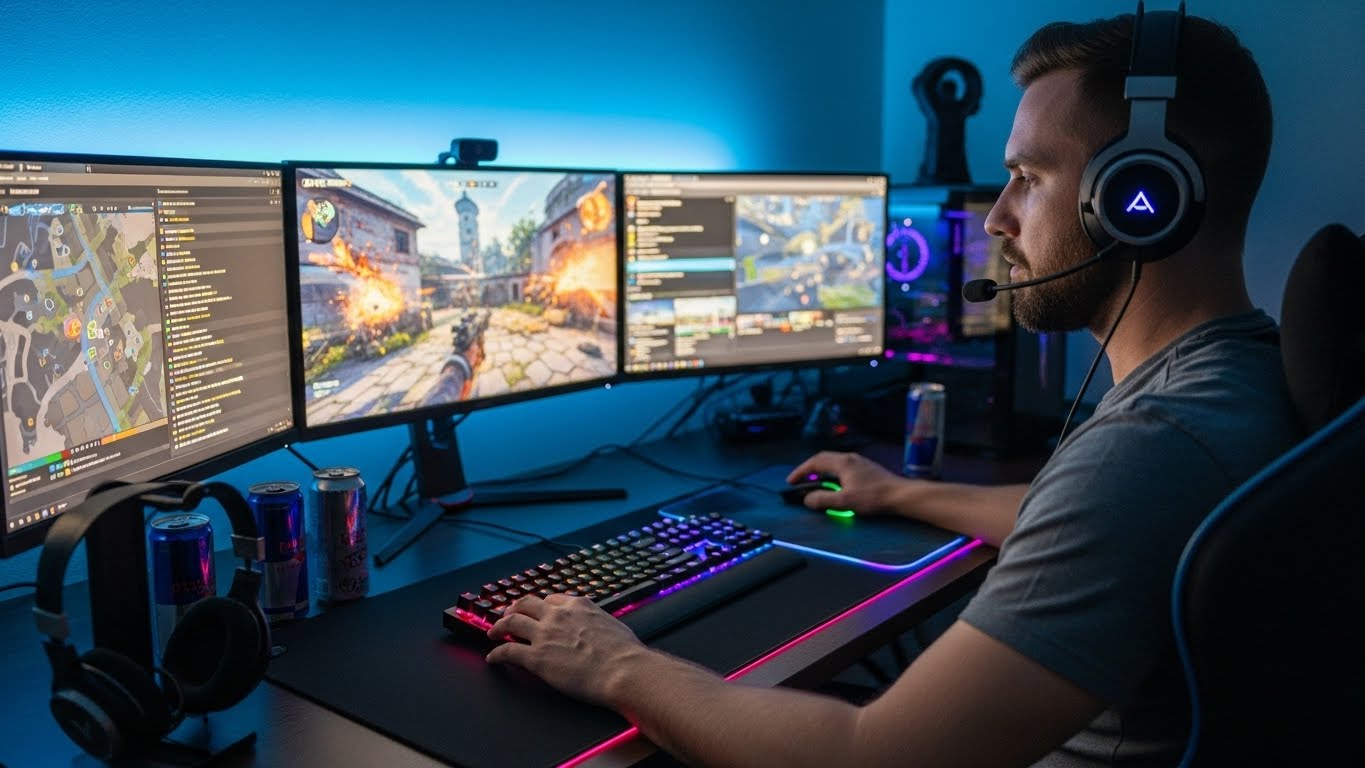
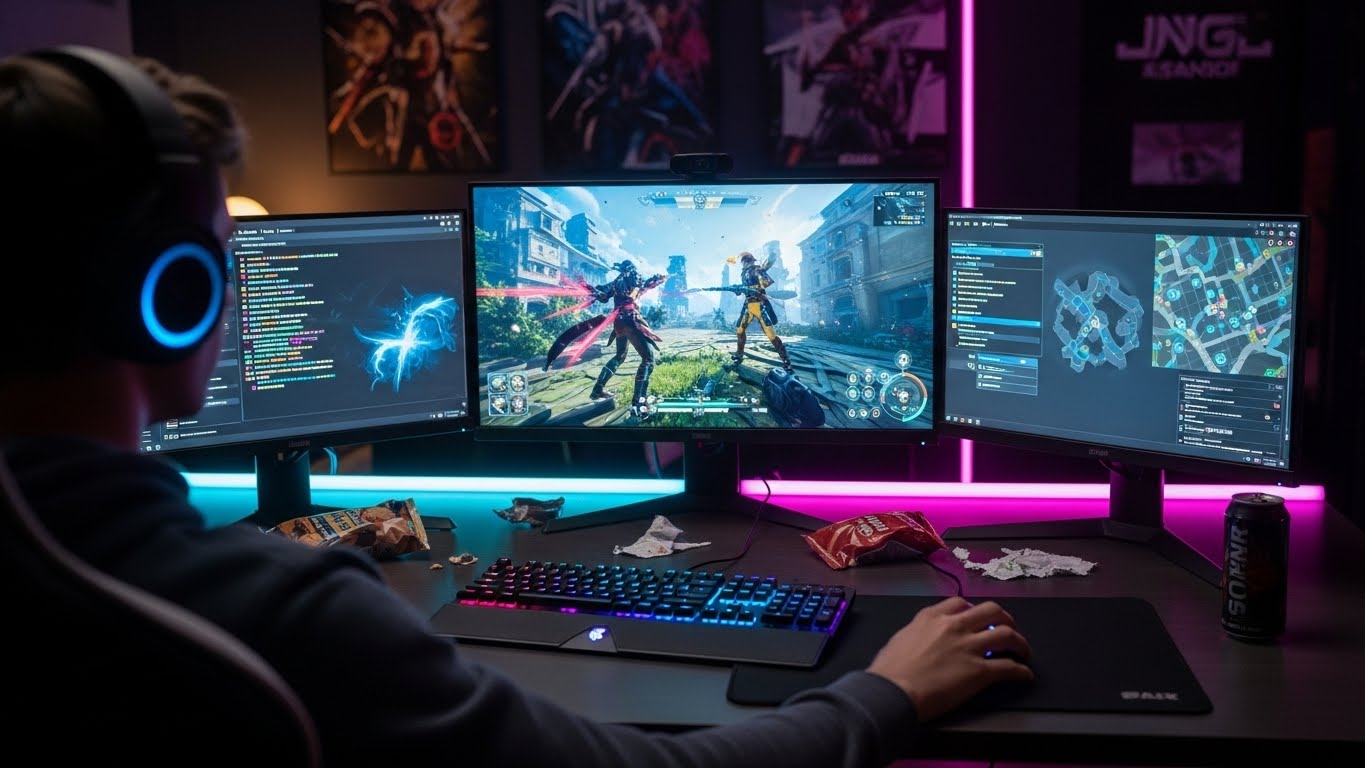
Gaming has come a long way from simple arcade machines and board games. Today, it is a cultural, social, and technological phenomenon that touches millions of lives worldwide. Beyond entertainment, gaming influences how we think, learn, interact, and even work. It has transformed into a medium that fosters creativity, builds communities, and challenges the mind. In this blog, we will explore the evolution of gaming, its cultural and social impact, cognitive and psychological benefits, the rise of competitive gaming, technological innovations, and the future of this ever-evolving industry.
The Evolution of Gaming
Gaming has been part of human society for thousands of years. Early games such as Senet in ancient Egypt, Go in China, and chess in India were not only pastimes but also tools for learning strategy, patience, and critical thinking. These games reflected the cultural values and intellectual challenges of their respective eras.
With the advent of the 20th century, board games and card games became widely accessible, offering entertainment and mental stimulation to families and communities. The real revolution, however, came with video games. Early arcade games like Pong and Space Invaders introduced interactive digital experiences, captivating audiences with novel forms of play. Home consoles and personal computers further transformed gaming, allowing players to immerse themselves in complex narratives, multiplayer experiences, and visually engaging worlds.
Gaming as a Cultural Phenomenon
Gaming has grown into a major cultural force, influencing storytelling, art, music, and even fashion. Iconic characters such as Mario, Lara Croft, and Master Chief have become recognizable symbols beyond the gaming world. Video games often draw from literature, mythology, and history, creating immersive worlds that resonate with diverse audiences.
Story-driven games allow players to explore moral dilemmas, make critical decisions, and experience narratives from unique perspectives. Games like The Last of Us and Red Dead Redemption are celebrated not only for gameplay mechanics but for their deep storytelling and emotional impact. In many ways, games have become a modern form of art, capable of evoking strong emotions and fostering cultural dialogue.
Social Interaction and Community
Gaming is more than a solitary activity; it is a social experience. Multiplayer games, online communities, and cooperative gameplay allow people to connect, collaborate, and compete globally. Players form friendships, join guilds or teams, and share experiences that transcend geographical and cultural boundaries.
Even offline gaming can strengthen social bonds. Families gather around consoles or board games, friends compete in friendly tournaments, and communities host local gaming events. These interactions cultivate teamwork, communication skills, and shared memories. In an increasingly digital world, gaming has become a powerful medium for social connection and cultural exchange.
Cognitive and Psychological Benefits
Games provide more than entertainment; they contribute to cognitive development and mental well-being. Strategy games improve planning, decision-making, and resource management, while puzzle and logic games enhance problem-solving skills and memory. Role-playing games encourage creativity, allowing players to craft stories, develop characters, and explore imaginative worlds.
Psychologically, gaming offers stress relief and emotional engagement. Immersive gameplay provides a safe escape from daily pressures, while goal-oriented experiences foster a sense of accomplishment and motivation. Cooperative and team-based games promote empathy, communication, and perspective-taking, encouraging players to consider others’ strategies and needs. When approached responsibly, gaming can positively impact both mental health and personal growth.
The Rise of Competitive Gaming
Competitive gaming, known as esports, has transformed the perception of video games. What once began as casual tournaments among friends has grown into a global industry with professional teams, sponsorships, and massive audiences. Games like League of Legends, Dota 2, and Counter-Strike: Global Offensive have professional leagues, international tournaments, and substantial prize pools.
Esports has created new career opportunities for players, coaches, analysts, commentators, and content creators. Universities and schools even offer scholarships for esports athletes, recognizing the skill, strategy, and discipline required to excel. The rise of competitive gaming demonstrates that video games are more than leisure—they are professional pursuits that demand talent, dedication, and teamwork.
Technological Innovations in Gaming
Technology has always driven the evolution of gaming. Modern hardware, high-resolution graphics, and sophisticated game engines allow developers to create visually stunning, highly interactive worlds. Virtual reality (VR) and augmented reality (AR) have introduced entirely new dimensions of play, offering fully immersive experiences where players can physically interact with virtual environments.
Artificial intelligence has transformed gameplay, enabling non-player characters to respond intelligently to player actions and create dynamic, adaptive challenges. Cloud gaming allows players to access high-end games without specialized hardware, making gaming more inclusive and accessible. Continuous technological innovation ensures that gaming remains a cutting-edge form of entertainment with limitless potential.
Games as Educational Tools
Games are increasingly recognized as effective educational and developmental tools. Educational games teach subjects such as math, science, language, and history in engaging ways that traditional methods cannot match. Simulation games allow players to practice real-world skills, from managing businesses to navigating complex systems.
Even games not designed explicitly for learning offer valuable life lessons. Strategy and role-playing games develop critical thinking, resource management, and decision-making skills. Multiplayer games teach teamwork, communication, and conflict resolution. By combining fun with learning, games provide a unique platform for intellectual and personal growth.
Creativity and Innovation in Gaming
Games are powerful drivers of creativity. Sandbox games like Minecraft and Roblox allow players to build entire worlds, design structures, and invent unique gameplay experiences. Story-driven games encourage players to think critically about narrative, character development, and ethical choices.
The gaming industry itself thrives on innovation. Developers, artists, writers, and designers collaborate to create immersive experiences that challenge conventions and push the boundaries of imagination. Games inspire other creative fields, including animation, film, music, and digital art, demonstrating their influence far beyond entertainment.
The Future of Gaming
The future of gaming promises even more innovation and integration into daily life. Advances in VR, AR, artificial intelligence, and cloud technology will create immersive, adaptive, and highly personalized experiences. Cross-platform gaming will break down barriers, allowing seamless play across consoles, PCs, and mobile devices.
Virtual worlds may become spaces not only for entertainment but also for social interaction, education, and professional collaboration. Ethical and inclusive design will ensure that games remain accessible and enjoyable for diverse audiences. As gaming technology evolves, it will continue to influence culture, education, and social dynamics in unprecedented ways.
Gaming as a Lifestyle
Gaming has grown into more than a hobby—it is a lifestyle. It shapes fashion, music, art, and even social behavior. Gamers often identify with communities that share their interests, participate in events, and express themselves through fan creations, cosplay, and online content. Gaming culture encourages creativity, collaboration, and expression, reflecting the multifaceted nature of the modern digital world.
The lifestyle aspect of gaming also emphasizes balance. While games provide immense entertainment and personal growth, maintaining healthy habits ensures that gaming enhances life rather than distracts from responsibilities. When approached mindfully, gaming can be a fulfilling and enriching part of everyday life.
Conclusion
Gaming has evolved from simple pastimes into a global phenomenon that influences culture, technology, and human interaction. It entertains, educates, inspires, and connects players worldwide. Competitive gaming has created professional opportunities, while technological innovation has expanded access and immersive potential. Games challenge the mind, foster creativity, and provide emotional and social benefits that extend far beyond the screen.
Gaming is not just a form of play—it is a dynamic force that shapes modern culture, enriches personal development, and connects communities. Its impact continues to grow, promising a future where gaming will play an increasingly central role in how we learn, interact, and experience the world. As technology and creativity advance, the world of gaming will continue to transform lives in ways previously unimaginable.